The Role of Sustainability in Artisan Craftsmanship
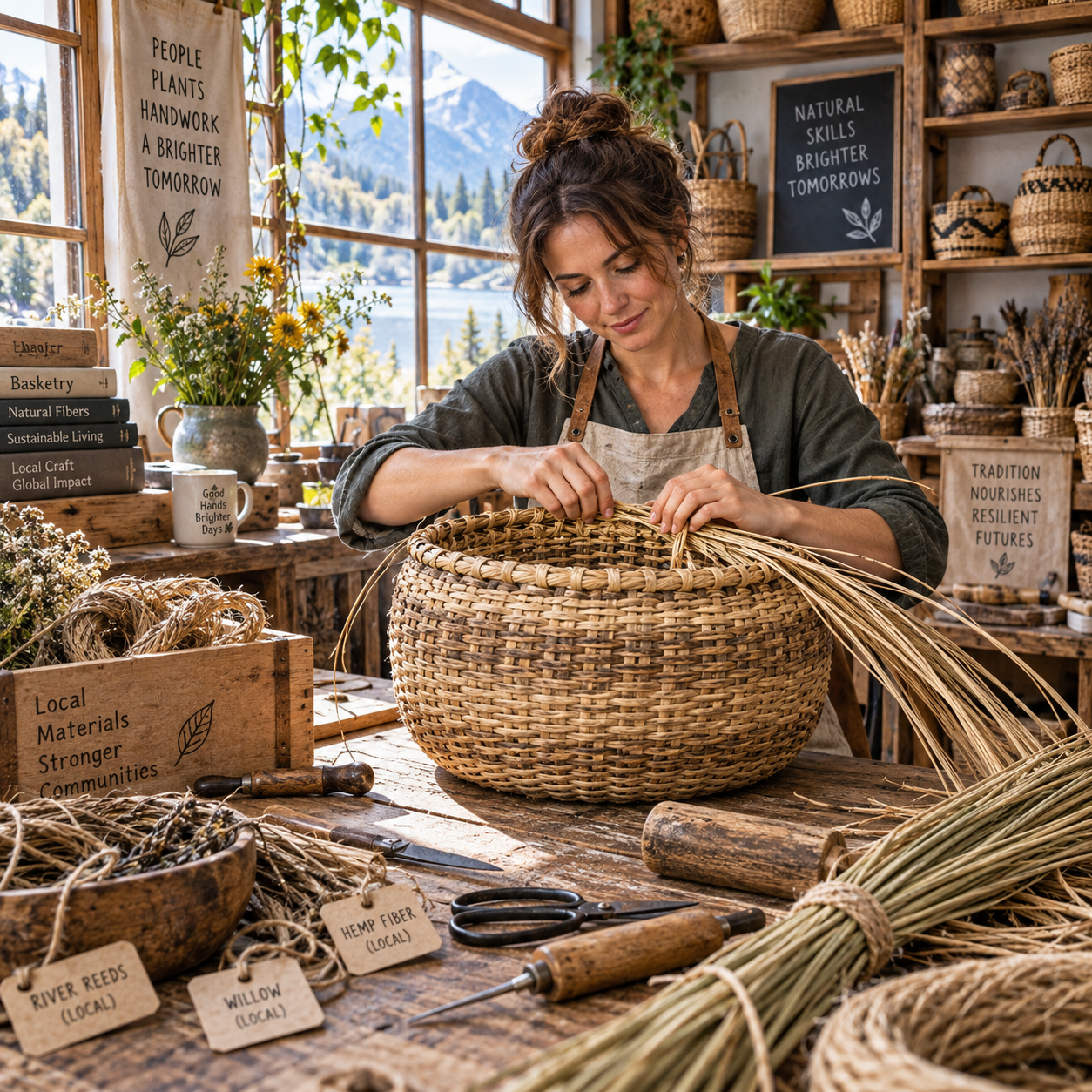
Sustainability in artisan craftsmanship reaches beyond the materials used to make an object. It also involves the way makers work, whether their livelihoods are fair, how traditional skills are passed on, and whether a finished piece can be used and repaired for years. These connections make craft a useful lens for thinking about responsible production and conscious consumer choices.
Still, handmade does not automatically mean sustainable. A craft’s impact depends on its specific materials, energy use, supply chain, working conditions, and useful life. Looking at those factors together offers a clearer way to understand what responsible craft can achieve, and where its limits lie.
What sustainability means in artisan craftsmanship
Sustainability in artisan craftsmanship means making useful objects in ways that respect environmental limits, support maker livelihoods, and keep cultural knowledge alive. It combines material choices and production practices with social fairness and cultural continuity.
The environmental side includes the origin and processing of materials, waste, water, and energy. A woodworker might choose timber from a verified, responsibly managed source; a weaver might use locally grown fibers or reclaimed cloth. Neither choice guarantees a low impact on its own, but both invite useful questions about sourcing, processing, and waste.
Social sustainability asks whether artisans have safe working conditions, fair compensation, and a meaningful role in decisions about their work. Cultural sustainability concerns traditional craft knowledge: skills, designs, and techniques that communities maintain and adapt across generations. Preserving a tradition should not mean freezing it in time. Makers need room to innovate while retaining control over how their knowledge is shared and represented.
Materials and methods with a lighter footprint
Materials and making methods shape a craft’s environmental footprint, from where resources come from to how much waste production creates. Local sourcing, natural or recycled inputs, and careful small-scale production can help, although their effects vary by product and place.
Natural materials such as wool, plant fibers, clay, and wood may be renewable or biodegradable, but that depends on how they are grown, harvested, treated, and transported. A natural dye, for example, may avoid certain synthetic chemicals, yet still require substantial water or fuel. Recycled glass or reclaimed timber can reduce demand for new raw materials, but sorting, cleaning, and processing also take resources. Specific sourcing details matter more than an appealing label.
Local supply chains can shorten transport and keep more spending in a region. They can also make it easier for makers to understand their materials’ origins. However, local does not always mean low-impact: a nearby material may need intensive processing, while a responsibly sourced material from farther away might have a better overall profile. The useful question is not simply “How far did it travel?” but “How was it produced, processed, and moved?”
Low-waste production is another practical strength of many workshops. Makers can use offcuts for smaller products, design patterns to fit available material, and make items to order rather than producing large unsold batches. These steps may reduce waste, though small-scale production can involve slower work and higher unit costs. Buyers can ask what happens to scraps and whether the maker has changed a process to use materials more efficiently.

Craft traditions that value longevity and repair
Craft traditions can support sustainability by emphasizing durable construction, routine maintenance, and repair. When a product stays useful longer, it can reduce the need to replace it, though its actual benefit depends on how well it is made and how often it is used.
Many craft practices treat maintenance as part of ownership. A ceramic vessel may be made for daily use; a woven basket can be tightened or patched; a wooden stool can be sanded, rejoined, and refinished. A repairable design may use accessible fasteners, replaceable parts, or materials that local craftspeople know how to work with. By contrast, a beautifully handmade item can still be difficult to repair if it uses fragile construction or unusual components.
Before buying, consider the job the object needs to do. A delicate decorative piece may be appropriate for a shelf, but not for heavy daily use. Ask the maker how to clean it, what wear to expect, and whether repairs are possible. Keep care instructions, and avoid cleaning methods that could damage finishes, fibers, or glazes.
Durability is not the same as keeping every object forever. A sustainable choice is one that suits its intended use and remains valued rather than becoming clutter. Craftsmanship can help create that connection through thoughtful design, clear care guidance, and a maker’s account of how the object was made.
Supporting makers and preserving cultural knowledge
Supporting artisan livelihoods helps craft knowledge endure by giving makers the time and income to practice, teach, and adapt their skills. Sustainable craft communities need fair economic conditions as well as responsible materials.
When craft workers receive fair payment and recognition, they are better positioned to invest in tools, materials, apprenticeships, and their own businesses. Intergenerational learning often happens through sustained practice: a younger maker learns a technique by working alongside an experienced craftsperson, then applies it to new forms or markets. If orders demand only the cheapest possible price, that time and expertise can become difficult to sustain.
Buyers and retailers can support this work by paying prices that reflect skilled labor, asking who made an item, and crediting the community or tradition behind a technique. Cultural heritage should not be treated as a design resource that anyone can freely claim. Respectful collaboration includes consent, attribution, and fair benefit for the people whose knowledge informs a product.
There are limits, too. Selling more craft does not automatically improve working conditions or preserve a tradition. A surge in demand may strain local resources or pressure artisans to produce faster than their methods allow. Responsible growth gives makers a say in production volume, pricing, and how their cultural knowledge is presented.
How buyers can make more thoughtful choices
Buyers can make more thoughtful craft purchases by checking who made an item, what it is made from, how it is produced, and how long it is likely to serve. A few specific questions often reveal more than broad claims such as “eco-friendly” or “ethical.”
- Research the maker. Look for a name, workshop, location, and a clear account of the process. For a collective or cooperative, see whether the group explains how members are involved.
- Ask about materials. Find out where the main material comes from, whether it is reclaimed or responsibly sourced, and what treatments or finishes are used. The maker may not know every detail of a distant supply chain; a candid answer is more useful than an unsupported guarantee.
- Check function and construction. Consider whether the item fits your needs, how it will wear, and whether parts can be repaired or replaced. Ask about care before purchase, especially for clothing, furniture, baskets, and frequently used household goods.
- Buy with intention. Choose something you will use, keep, or give with care. A higher price may reflect hours of skilled labor and small-batch production, but price alone does not prove sustainability.
After buying, follow the maker’s care instructions, store the item appropriately, and contact the workshop about repairs rather than discarding it at the first sign of wear. Thoughtful ownership completes the relationship between making and use.
Challenges and trade-offs in sustainable craft
Sustainable craft involves trade-offs because responsible materials, skilled labor, and repairable design are not always easy to combine or verify. A balanced assessment looks at the full product and its context rather than treating handmade, local, or natural as automatic proof.
Some responsibly sourced materials are scarce, seasonal, or costly. A maker may rely on a farther supplier to obtain a consistent material, or choose a synthetic component because it performs better for a specific use. Small workshops may also lack the purchasing power to obtain detailed supply-chain documentation. These constraints do not make sustainability irrelevant; they make transparent, specific explanations more valuable.
Certification can help verify certain claims, but it may not cover every issue that matters to a craft purchase, including repair options or cultural rights. Conversely, a small independent maker may follow careful practices without holding a formal certification. Buyers can weigh available evidence: sourcing information, production details, worker relationships, and product care or repair support.
Watch for three common assumptions:
- “Handmade means low-impact.” It does not account for material sourcing, energy, shipping, or durability. Assess the product and process, not the label alone.
- “Natural means harmless.” Natural materials can still involve intensive farming, chemical treatment, or habitat pressure. Ask how they were produced and finished.
- “A higher price guarantees fairness.” Price can reflect skilled labor and quality, but it cannot confirm who received the payment. Look for information about the maker and supply chain.
The most credible approach is proportionate: a maker explains what they know, acknowledges what they cannot verify, and improves practices where they can. Buyers, in turn, can reward clear information and choose objects whose materials, purpose, and care requirements make sense for their lives.
Frequently asked questions
What makes an artisan product sustainable?
An artisan product is more likely to be sustainable when its materials are responsibly sourced, production limits waste and harmful impacts, makers receive fair treatment, and the item is useful, durable, and repairable. No single feature settles the question.
Are handmade products always more sustainable?
No. Handmade products can involve resource-intensive materials, long-distance shipping, or fragile construction. Artisan craftsmanship can enable small-batch production and repair, but sustainability depends on the complete product and the conditions under which it was made.
How can buyers assess a craft’s materials and production?
Ask who made it, where the main materials come from, how the item was produced, and what care or repair it needs. Look for detailed, consistent answers rather than relying on general claims such as “green” or “ethical.”
How can I extend the life of an artisan-made item?
Use and store it as the maker recommends, clean it with suitable methods, and arrange repairs when damage appears. For an item with no care guide, contact the artisan before using a treatment that might affect its material or finish.