Marketing Strategies for Handmade Product Businesses: A Practical Guide for Artisans
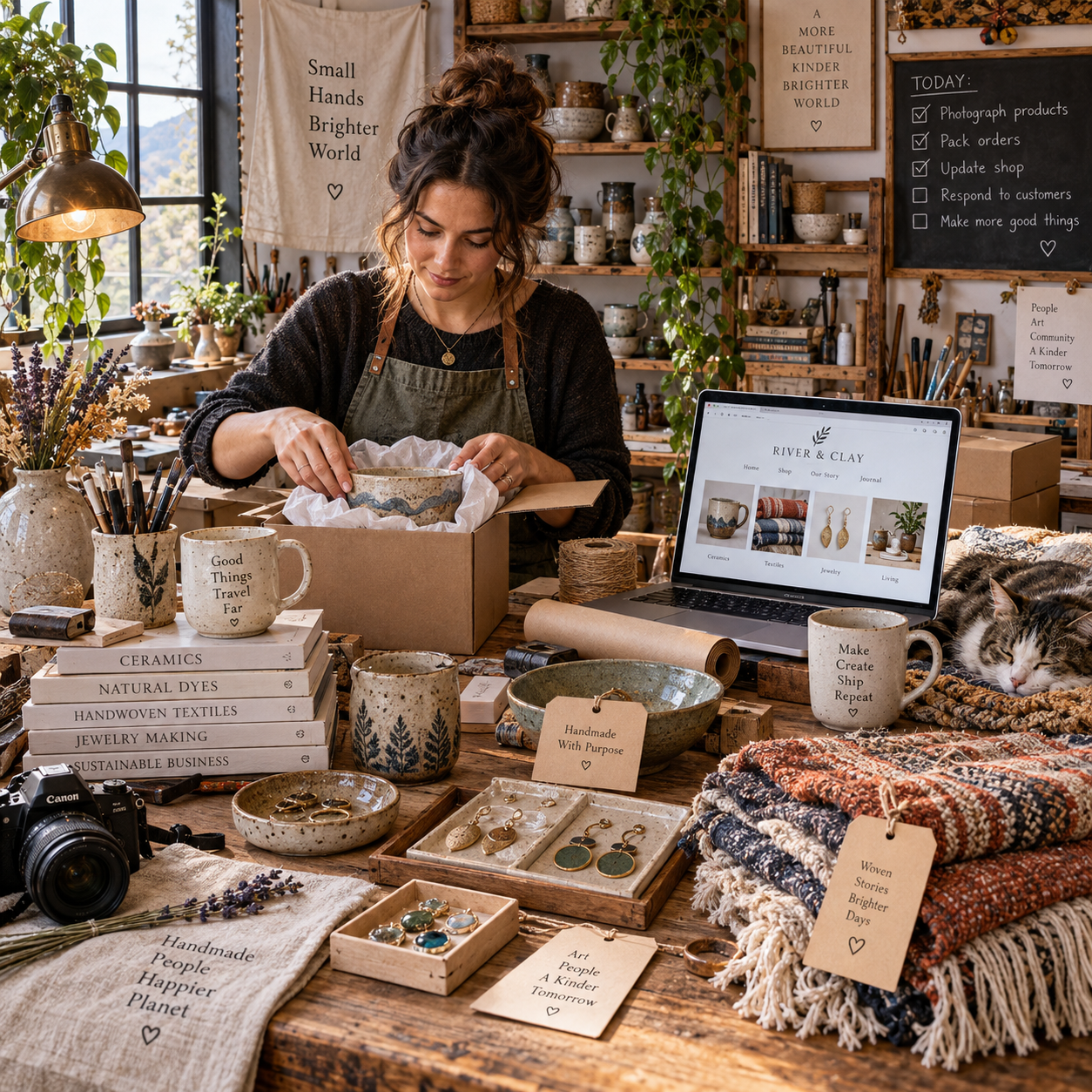
Marketing a handmade product business starts with a simple advantage: every item has a human story. Your materials, methods, creative decisions, and relationship with customers can distinguish an artisan brand from mass-produced alternatives. Effective promotion makes those qualities easy to understand without turning your creative practice into a constant sales exercise.
The most sustainable approach combines clear positioning, honest product presentation, carefully chosen channels, and steady customer relationships. The aim is meaningful visibility: reaching people who value craftsmanship, originality, ethical production, and the maker behind the object.
Define Your Artisan Brand and Ideal Customer
Your artisan brand is the clear expression of what you make, why you make it, and who it serves. Define your values, materials, techniques, and ideal customer before choosing marketing channels, because focused communication is easier to maintain than trying to appeal to everyone.
Begin with a short positioning statement that answers four questions:
- What do you make?
- Which materials or techniques shape the work?
- What values guide your production?
- What need, feeling, or occasion does the product support?
For example, a textile artist might describe a business as naturally dyed linen accessories made in small batches for customers seeking durable, low-waste gifts. That statement guides product descriptions, photography, packaging, and content topics.
Then create a practical target audience profile. Consider lifestyle, budget, buying occasions, aesthetic preferences, and concerns about provenance or environmental impact. Avoid relying only on age or location. A customer who buys a hand-thrown mug for daily use needs different information from someone seeking a collectible gift.
Choosing a narrow audience can reduce broad reach, but it usually improves relevance. Your marketing should help the right people recognize themselves in the work.
Tell the Story Behind Each Handmade Product
Brand storytelling explains the human decisions behind a handmade product. Show the process, craftsmanship, provenance, and maker perspective in specific language so customers understand what makes the item worth choosing.
A useful product story has three layers:
- Origin: Explain where the idea, material, pattern, or technique came from.
- Process: Describe a meaningful stage of making, such as carving, glazing, weaving, stitching, or firing.
- Use: Show how the finished object fits into the buyer’s home, wardrobe, ritual, or gift-giving occasion.
Specific details build more trust than dramatic claims. Instead of saying a bowl is made with love, explain that you mix the clay in small batches, turn each bowl on a wheel, and apply a translucent glaze that reveals variations in the surface. Customers can then see the labor and accept that handmade variation is part of the product.
Storytelling should also respect cultural and material provenance. Credit traditional techniques accurately, avoid claiming heritage you do not hold, and explain sourcing decisions when they matter. A short maker note on a product page, a studio video, or a caption about a failed prototype can create emotional connection while remaining honest.
Improve Product Presentation Across Every Channel
Strong product presentation gives customers enough visual and practical information to buy with confidence. Combine clear product photography, useful descriptions, transparent pricing context, thoughtful packaging, and a consistent visual identity.
Use product photography to answer buying questions
Take a primary image that shows the complete item against a calm background. Add detail images for texture, scale, closures, handles, stitching, or surface variation. Include at least one photograph that communicates size through a familiar object or a person using the product, where appropriate.
Natural window light often works well for small businesses, but consistency matters more than expensive equipment. Photograph products from similar angles and maintain a recognizable palette across your website, social media marketing, and craft marketplace listings.
Write descriptions that reduce uncertainty
State dimensions, materials, finish, care instructions, production time, and whether each item is ready to ship or made to order. Explain expected variation rather than hiding it. Customers should know exactly what they will receive.
Pricing also needs context. Describe the labor, small-batch production, durable materials, or specialized technique when useful. This is not a demand that customers justify your price; it is a way to make the value visible. Avoid excessive discounting, which can weaken perceived quality and make sustainable production harder to fund.
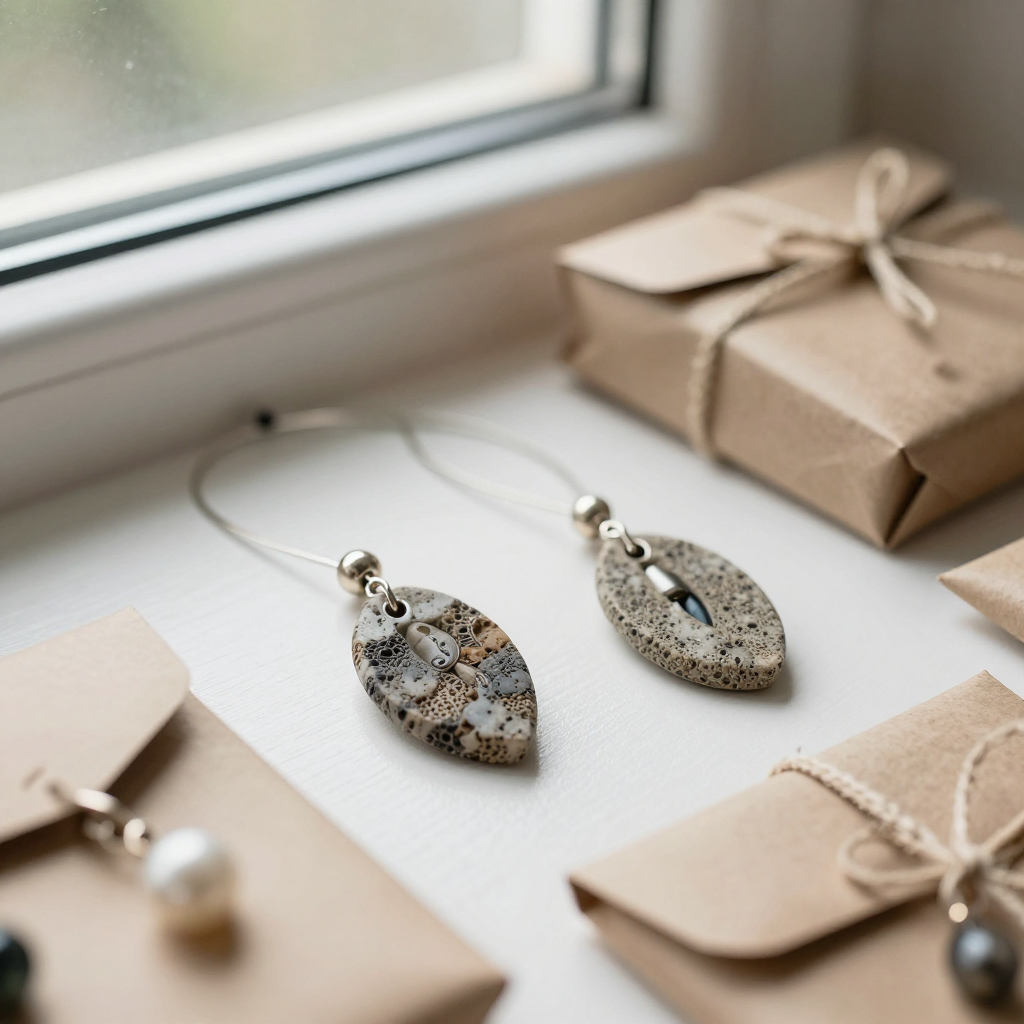
Packaging should protect the product and reflect your values. Recyclable materials, a concise care card, and a personal thank-you note can create a memorable unboxing experience without adding unnecessary cost or waste.
Choose the Right Marketing Channels for Your Business
The right marketing channel is the one your target audience uses and your capacity can support consistently. Treat social media, craft marketplaces, a website, in-person events, and email as different tools rather than obligations to use all at once.
- Social media marketing: Useful for visual discovery, process demonstrations, conversations, and timely collection launches. Choose one or two platforms that suit your audience and content style.
- Craft marketplaces: Platforms such as Etsy can provide search visibility and buyer trust, but fees, competition, and platform dependence affect margins. Use strong titles, tags, descriptions, and photographs.
- Your own website: A website gives you more control over brand storytelling, customer data, policies, and presentation. It requires setup, maintenance, and independent traffic generation.
- In-person events: Craft fairs, gallery shops, maker markets, and local collaborations let customers handle products and meet the maker. Events take preparation and may involve travel or table fees.
- Email marketing: Email is valuable for people who already want updates. Use it for new collections, studio notes, care guidance, and early access rather than sending constant promotions.
A sensible starting model is one discovery channel, one sales destination, and one relationship channel. For example, use Instagram for process-led discovery, an Etsy shop for transactions, and an email list for repeat communication. Review results by meaningful actions such as saves, inquiries, completed purchases, and returning customers, not follower count alone.
For data protection and consent practices, consult guidance from the U.S. Federal Trade Commission or the relevant authority in your region.
Build Engagement Through Useful and Authentic Content
Content marketing works best when it teaches, reassures, or invites participation before it asks for a sale. Build recurring content themes around the making process, product care, material knowledge, studio life, and customer experiences.
Useful formats include:
- A short making-process demonstration showing one technique from start to finish.
- A comparison of materials, finishes, sizes, or intended uses.
- Product-care guidance that helps an item last longer.
- Behind-the-scenes updates about a new collection, prototype, or sourcing decision.
- Customer features that show the product in a real home or daily routine, with permission.
- Answers to recurring questions about shipping, customization, repairs, and lead times.
Turn one studio activity into several pieces of content. A batch of dyed fabric might produce a process photograph, a short explanation of the dye, a care note, and a collection preview. This approach saves time and keeps the message coherent.
Authenticity still needs boundaries. You do not have to share every private detail or post unfinished work daily. Set expectations about response times and availability, especially during busy production periods. A quiet, informative account can serve an artisan brand better than a high-volume feed that leaves little time for making.
Turn First-Time Buyers Into Returning Customers
Repeat purchases grow from a reliable experience, relevant follow-up, and a genuine sense of community. Start customer relationship building before delivery by setting accurate expectations, then continue with care guidance, useful updates, and invitations that fit the buyer’s interests.
A simple post-purchase sequence might include:
- A confirmation message with production or shipping details.
- A personal thank-you and product-care information in the package.
- A follow-up email asking whether the item arrived safely and answering common care questions.
- A later invitation to join the email list, view a related collection, or share a photograph.
Do not pressure every buyer with an immediate discount. A customer who bought a handmade vase may appreciate a guide to arranging flowers or an announcement about complementary pieces more than a generic coupon. Offer repairs, replacement parts, refills, or custom options when your business can support them profitably.
Community can also form through local workshops, studio open days, collaborative collections, and conversations about handmade and local production. These activities may not produce instant sales, but they deepen trust and help customers understand the wider value of supporting independent makers.
Create a Sustainable Handmade Marketing Plan
A sustainable handmade marketing plan fits your production capacity, budget, and creative energy. Set one business goal, choose a small number of channels, create a repeatable schedule, and review evidence every month before adding more activity.
Use this four-part planning framework:
- Capacity: Decide how many hours per week marketing can receive without reducing making time or harming order quality.
- Focus: Select one priority, such as selling a new collection, filling custom-order slots, or building an email list.
- Cadence: Choose a manageable rhythm, such as two social posts, three stories, and one email each month.
- Check: Track inquiries, conversion, average order value, repeat purchases, email sign-ups, and production workload.
Plan content in four-week cycles. Week one can introduce the collection and its materials; week two can demonstrate the process; week three can answer buying questions; week four can share customer use and remaining availability. Adjust the schedule around actual inventory rather than manufacturing urgency.
Common mistakes include joining too many platforms, copying mass-market language, and measuring success only through reach. Each creates activity without necessarily creating a healthier business. If a channel brings attention but no qualified inquiries after a reasonable trial, change the message or pause it. Marketing should support fair pricing, honest promises, and the time required to make excellent work.
Frequently Asked Questions
What is the best marketing strategy for a handmade product business?
The best strategy combines a clearly defined artisan brand, strong product presentation, one suitable discovery channel, and consistent follow-up. The right mix depends on your target audience, product category, capacity, and sales goals.
How can artisans market products with a small budget?
Use daylight for product photography, repurpose studio activities into content, participate in relevant local events, build an email list with consent, and improve existing marketplace listings before paying for advertising. Time is still a cost, so choose tactics you can repeat.
Which social media platforms are useful for handmade products?
Visual platforms such as Instagram, Pinterest, and TikTok can suit handmade products, while Facebook may help local groups and event promotion. Select based on where your audience searches and which format you can produce comfortably.
How can storytelling help sell handmade products?
Storytelling explains the materials, labor, technique, and maker decisions behind an item. It gives customers context for craftsmanship and variation, helping them judge quality and connect the product with their own values or intended use.
How do handmade businesses encourage repeat purchases?
Deliver the promised product experience, include clear care guidance, communicate thoughtfully after purchase, and announce relevant new work or complementary products. Reliable customer service and community participation usually matter more than frequent discounts.