The Psychology Behind Consumer Interest in Handmade Products
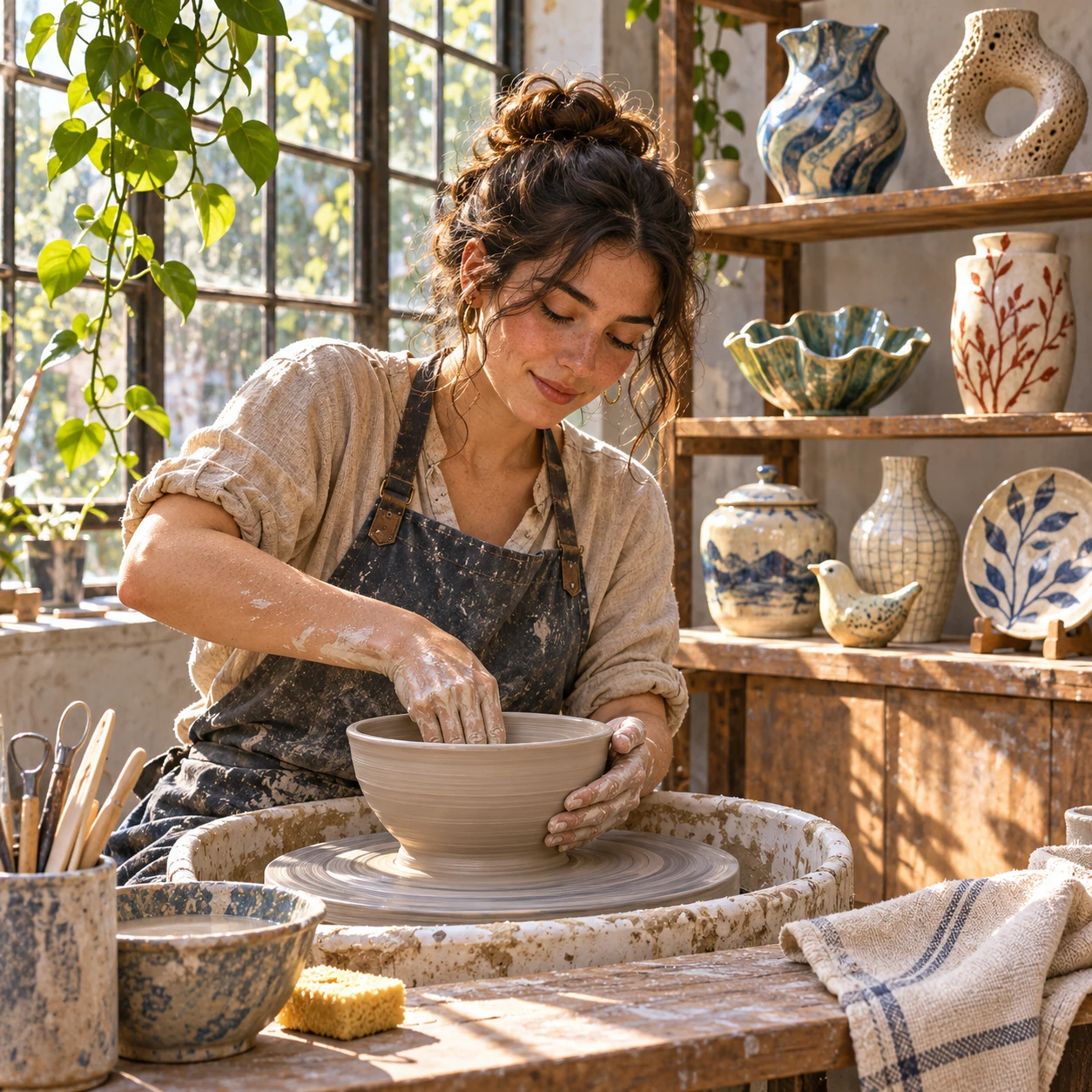
Why does a hand-thrown mug or a woven scarf sometimes feel more meaningful than a similar item made in a factory? Consumer interest in handmade products often begins with the sense that a person, not an anonymous production line, shaped the object. That impression can influence how buyers judge its character, connect with its story, and imagine using it.
These responses are psychological, but they are not universal. Some people value artisan identity and visible craftsmanship; others prioritize price, convenience, or consistency. Understanding the appeal means looking at both what handmade goods can represent and what buyers should not assume about them.
Why “Handmade” Carries Meaning
“Handmade” carries meaning because it suggests that human effort and judgment played a role in making a product. That perception can make an everyday object feel more personal, even before a buyer knows who made it.
People often use clues about how something was made to decide what it might be worth. A visible stitch, a slight variation in glaze, or evidence of careful finishing can signal time and attention. These details may lead consumers to perceive a product as more individual than a standardized item. The perception matters, though it does not prove that a product is more durable or better made.
Handmade goods can also stand out in a market where many items look alike. A buyer may be responding to the idea of human involvement as much as to the item’s function. The maker’s choices seem easier to imagine: selecting a material, adjusting a shape, or deciding when a piece is finished.
That meaning depends on context. A person buying a replacement part may value exact specifications above the appeal of human effort. Someone choosing a gift, by contrast, may care more about the thought and individuality associated with an artisan-made object.
The Appeal of Authenticity and Craftsmanship
Perceived authenticity and visible craftsmanship can make handmade products feel trustworthy and worth appreciating. Buyers may see evidence of a real process, although appearance alone cannot establish a product’s quality or origin.
Craftsmanship is often legible through details: a neatly joined seam, a balanced handle, a smooth edge, or a pattern that follows the form of the material. When people notice these choices, they can recognize skill and imagine the practice behind it. This attention may deepen appreciation because the product appears to have been made with intention rather than selected from a uniform run.
Authenticity is more than a rustic look. It can come from clear information about materials, methods, and the maker’s role. A seller who explains how a piece is produced gives buyers something concrete to evaluate. That transparency supports trust better than vague claims such as “made with love.”
Still, craftsmanship varies. Handmade does not guarantee careful construction, and factory-made goods can be well designed and dependable. Consumers should assess the item itself, read care instructions, and ask about materials or production when those details matter. Choosing a product for perceived authenticity means checking that the story and the workmanship align.
Uniqueness and the Desire for Personal Expression
Product uniqueness appeals to consumers who want their possessions to reflect personal taste rather than a widely repeated style. Handmade variations can help someone express that preference, even when the item serves a practical purpose.
People use clothing, home décor, jewelry, and gifts to communicate something about themselves. A hand-dyed textile or a small-batch print may feel distinctive because its colors and details are not perfectly uniform. The owner can enjoy having something that seems chosen with care, rather than simply picked because it was available everywhere.
Yet uniqueness has degrees. A maker may produce several pieces from the same pattern, and some handmade products are designed to look nearly identical. Small differences do not necessarily make an object one of a kind. Buyers seeking a truly individual piece can ask whether it is a single edition, made to order, or part of a repeatable collection.
This distinction helps consumers match expectations to the purchase. If the goal is personal expression, a limited colorway or customizable detail may be enough. If exact uniqueness matters, confirm what the maker means by “one of a kind” before buying.
Emotional Value and the Story Behind an Object
Emotional value grows when a buyer connects an object to a person, memory, or meaningful process. Storytelling can strengthen that connection by making the artisan’s choices and the product’s making easier to understand.
A handmade bowl might remind its owner of a studio visit, a favorite landscape, or the person who gave it as a gift. Knowing that an artisan shaped it can add another layer: the object represents both its function and a relationship to the maker’s work. This does not mean every handmade purchase becomes sentimental. The attachment usually depends on what the buyer brings to it.
Stories are most compelling when they are specific and verifiable. Information about a material’s source, a technique, or the stages of production helps people picture how the object came to be. A dramatic origin story is not necessary. Clear, modest details can create a stronger personal connection than broad claims about tradition or passion.
Buyers can also look beyond a product description. At a craft fair or online shop, questions about how an item is made, how to care for it, and what variations to expect can reveal whether the story is useful and grounded. The answers help set realistic expectations as well as build appreciation.
Values, Connection, and Choosing Artisan-Made
Choosing artisan-made products can help consumers align a purchase with values such as supporting independent makers, valuing skilled work, or buying from a known source. The choice is most meaningful when the buyer understands what the purchase actually supports.
For some consumers, the draw is a more direct connection to the person who made an object. Buying at a market or from an artisan’s own shop can make it easier to ask questions and learn about the process. That exchange may feel more personal than shopping through a large retailer, although many makers also sell through platforms and stores.
Values can influence buying decisions, but they do not automatically settle questions about sustainability, labor conditions, or material impact. A handmade item may use imported or resource-intensive materials; a mass-produced alternative may have a longer life or meet a specific need more effectively. Consumers should judge those factors from available evidence rather than assume that a small scale guarantees a lower impact.
A practical way to choose is to ask three questions:
- What matters most here? Consider function, price, provenance, design, or supporting a particular maker.
- What can I verify? Look for clear details about who made the product, how it was produced, and what materials it uses.
- Will I use and care for it? A valued purchase is more likely to earn its place when it suits your needs and maintenance habits.
This approach respects both consumer values and the limits of what a product label can tell you.
Handmade and Mass-Produced: Different Expectations
The main difference in consumers’ minds is often the kind of value they expect: handmade goods may suggest individuality and a personal story, while mass production may suggest consistency, availability, and predictable pricing. Neither approach is the right choice for every purchase.
Mass production can make products widely accessible and create consistent specifications across units. That matters when a buyer needs a replacement, a matching set, or a lower-cost option. Handmade production may offer visible variation, customization, or closer contact with a maker, but can also come with longer lead times, limited stock, and higher prices.
These are perceived differences, not guarantees. A handmade product may be standardized, and a mass-produced product may involve thoughtful design and skilled labor. Buyers benefit from comparing the actual item, its materials, construction, price, and care requirements instead of treating the production method as a complete quality rating.
Think of the decision as a fit question. Choose artisan-made when the maker’s process, distinctive character, or personal connection adds value for you. Choose a mass-produced option when consistency, immediate availability, or cost better serves the need. Either can be a considered purchase.
Frequently Asked Questions About Handmade Products
Why do people value handmade products?
People may value handmade products for perceived authenticity, visible craftsmanship, product uniqueness, emotional meaning, or a connection to the artisan. The reasons vary by person and purchase.
Does handmade always mean unique?
No. Handmade items may be produced in batches or follow a repeatable pattern. Ask whether a product is one of a kind, made to order, or part of a collection if uniqueness matters to you.
How does knowing the maker affect a purchase?
Knowing who made an item can give buyers a clearer sense of its process and create a personal connection. It can also help them ask informed questions, though the maker’s identity alone does not guarantee quality.
What should consumers consider when buying handmade?
Check the item’s function, materials, construction, price, care needs, production details, and expected variations. Clear expectations help you decide whether the product’s distinctive qualities are worth the trade-offs.