Navigating E-Commerce Platforms for Craft Businesses

Selling handmade work online involves more than uploading a few product photos. The right e-commerce platform can help a craft business present its work clearly, manage orders, and build customer relationships without overwhelming the maker’s time or budget.
There is no single best platform for every artisan. A handmade marketplace, an independent online shop, or a combination of both can work, depending on what you make, how you produce it, and how much time you can devote to selling. The useful question is not simply where to list your products, but which setup supports your business goals and values.
Start with your craft business goals
Start by defining what you sell, who is likely to buy it, and how you want customers to find you. Those answers help you decide whether to use a handmade marketplace, an independent online shop, or both.
Consider your actual production capacity before comparing features. A ceramicist making a small number of one-of-a-kind pieces may need clear inventory controls and room to explain each item’s character. A maker producing repeatable textile designs may prioritize variations, restocking, and efficient shipping workflows. A business taking custom orders needs a way to set expectations, collect details, and communicate timelines.
Next, picture your buyer. Do they already search on a marketplace for handmade gifts, or do they tend to discover makers through social media, craft fairs, and recommendations? A marketplace can put your work in front of shoppers browsing for products, although visibility is never guaranteed. An independent shop offers more control over branding and presentation, but you will generally need to bring visitors to it.
- Choose a marketplace-first approach if you want to test demand with a simpler setup and access to an existing shopping environment.
- Consider an independent shop if brand control, direct customer relationships, and a distinct storefront matter most.
- Use both selectively if you can keep inventory, pricing, and order information consistent across channels.
Write down your top three needs before opening a trial account. That short list helps prevent a polished feature demo from distracting you from the daily work of making, packing, and serving customers.
Compare platform models and trade-offs
A handmade marketplace provides a shared selling venue, while an independent online shop gives you a storefront under your own brand. The marketplace may simplify discovery; an independent shop usually gives you more control over presentation and customer experience.
On a marketplace, shoppers can browse products from many makers in one place. Built-in search, category pages, and familiar checkout can reduce some barriers to a first purchase. In exchange, your listings appear alongside competitors, marketplace rules shape parts of the experience, and fees may apply to listing, transactions, subscriptions, or payment processing.
An independent shop gives you greater control over navigation, visual identity, product storytelling, and how your collections fit together. It can make a small studio’s point of view easier to express. The trade-off is responsibility: you may need to attract visitors, configure payment processing, maintain the site, and set up shipping and fulfillment. An independent shop does not automatically create an audience.
Some craft businesses use both models, but multichannel selling has a cost in attention. You may need to update stock in two places, answer messages across different inboxes, and understand different policies. If the same one-off item sells twice, the customer experience can suffer. Start with the channel you can manage reliably, then add another when you have a clear reason and a process for keeping listings synchronized.
Think of platform choice as a balance between discovery and control. A marketplace can help shoppers encounter unfamiliar makers, while an independent storefront can support a more personal brand and direct relationship. Neither guarantees sales, and each asks the maker to take on different work.
Evaluate costs, features, and day-to-day demands
Compare the full cost of selling, the tools you will use every week, and the time required to operate the shop. Transaction and subscription fees matter, but so do payment processing, shipping, listing limits, and the effort involved in managing orders.
Make a simple cost worksheet before committing. Check the platform’s current pricing pages and note each charge that could apply to your business. Fee structures change, and a low monthly price can still lead to meaningful costs when transaction or payment fees are added.
- Listing and subscription fees: Is there a charge to publish products, maintain the shop, or access particular features?
- Transaction and payment processing fees: Which charges apply to each sale, and are they calculated on the item price, shipping, or both?
- Shipping and fulfillment: Can you set rates by destination, package size, or product type? Does the platform support labels, tracking, and clear delivery updates?
- Product listing tools: Can you show options such as size, color, materials, personalization, and made-to-order lead times?
- Order management: Can you see payment status, customer requests, deadlines, and fulfillment tasks without switching between several tools?
Then test the workflow from a maker’s perspective. Add a sample product, preview it on a phone, place a test order if available, and check what information appears in the order notification. A platform that is easy to launch but awkward to update may cost more in weekly effort than its plan price suggests.
Look for practical fit rather than a long feature list. A shop with a dozen carefully described pieces may not need advanced automation. A maker handling dozens of variations or custom orders may find those tools valuable. The right choice should make routine work manageable, not add software tasks that crowd out production.
Make handmade work stand out online
Strong product listings help customers understand what an item is, how it is made, and what to expect when it arrives. Clear photography, accurate descriptions, and a genuine maker story give handmade work context beyond price and dimensions.
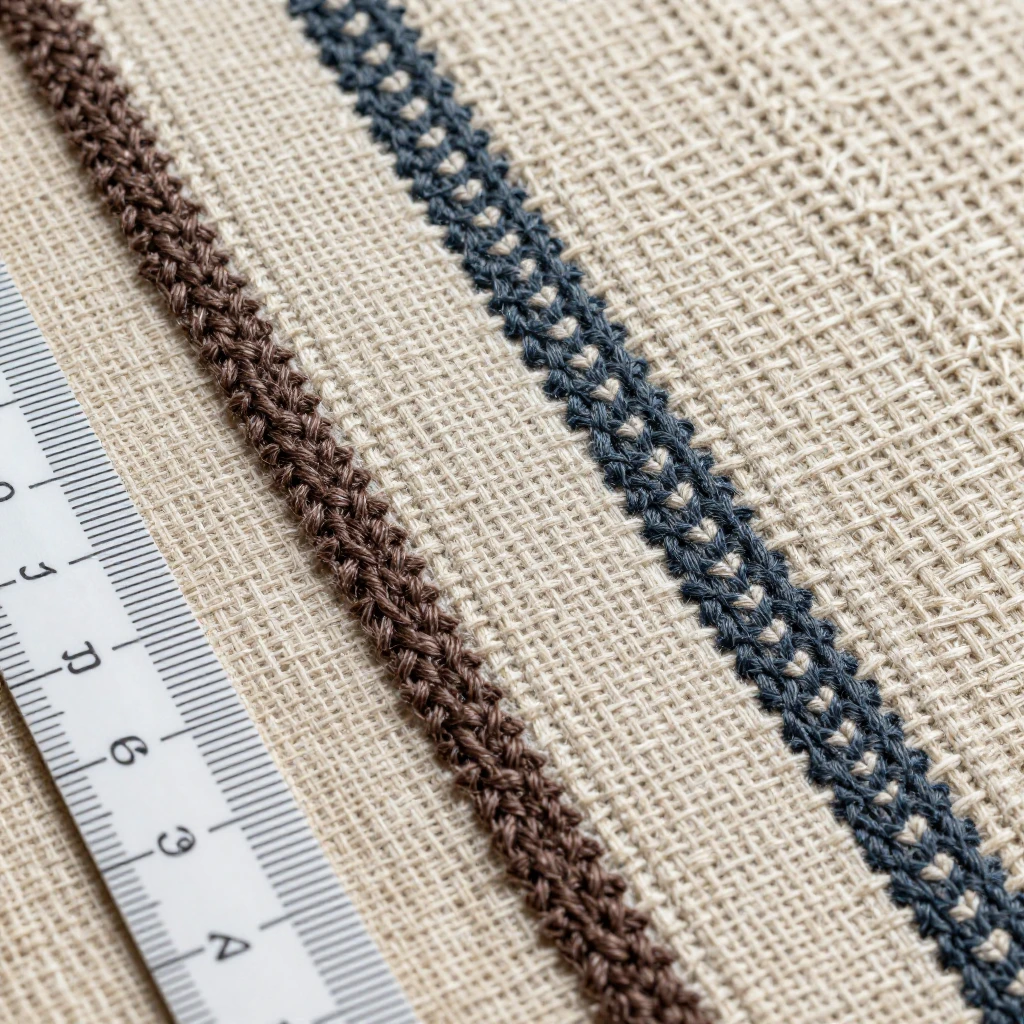
Use photographs to answer a buyer’s practical questions. Show the whole item, close-ups of texture and construction, and a scale reference such as a hand or familiar object. Use natural or consistent lighting, and include an image of the piece in use when it helps explain its size or function. For one-of-a-kind work, photograph the exact item being sold rather than a similar example.
Write product descriptions for someone who cannot pick up the piece. Include materials, dimensions, color, care instructions, and any natural variation that comes with the process. For made-to-order work, state the production timeframe and explain what the customer can choose. Avoid broad claims such as “perfect for everyone”; specific details help buyers decide whether the piece suits their needs.
Storytelling is most effective when it is concrete. Describe why you chose a material, how a technique shapes the finished object, or what a customer should know about its care. A short account of the work behind a handwoven scarf, for example, can explain why its color variations are part of the weaving process rather than a defect.
Set expectations before checkout. If an item is fragile, explain how it will be packed. If each piece varies slightly, say so in plain language and show examples. Honest listings may deter a buyer who expects a factory-standard match, but they help the right customer purchase with confidence.
Build customer relationships and support your values
Customer relationships grow when a shop communicates clearly, responds reliably, and makes it easy for different people to browse and buy. Platform tools can help, but artisans still shape the tone, accessibility, and policies of the experience.
Set a realistic response window and use it consistently. A short message confirming a custom request, explaining a delay, or sharing tracking details can prevent uncertainty. Keep order records and customer conversations in the platform’s permitted tools, and follow its rules for handling personal information and marketing messages.
Make listings more accessible with readable text, descriptive image alt text where supported, clear headings, and useful captions. Do not rely on color alone to distinguish product options; name the color and show it in photographs. State dimensions in familiar units and provide conversion details when your customers may be international. Clear language and straightforward navigation benefit many shoppers, including people using assistive technology or browsing on a phone.
Review platform policies that affect how you work: handmade eligibility, intellectual property, returns, cancellations, custom orders, prohibited materials, and dispute handling. Policies can vary and change, so read the current terms rather than relying on another seller’s experience. If your work uses reclaimed, locally sourced, or certified materials, describe the basis for those claims accurately.
Choose policies that protect both the maker and the customer. For instance, a custom order policy can explain which details are confirmed before production, when changes are possible, and what happens if shipping is delayed. Flexibility can build trust, but unclear exceptions can create extra work and disappointment.
Choose a platform and review the fit
Choose the platform that meets your essential needs, fits your available time and budget, and lets you present your work honestly. Then review the arrangement after you have real experience with listings, orders, and customer questions.
Use this four-part check to make a decision:
- Purpose: Do you need marketplace discovery, a branded storefront, or a carefully managed combination?
- Economics: Can you explain the fees on a typical order and account for packing materials, shipping, and your labor when setting prices?
- Operations: Can you maintain listings, respond to buyers, and fulfill orders at your current production pace?
- Values: Does the platform let you tell the story of your work and serve customers in a way that matches your standards?
Set a review date after a practical trial period, such as three months, rather than judging a platform by a few days online. Look at operational signals: how long listing updates take, whether order notifications are clear, which customer questions repeat, and whether shipping estimates match your actual process. Sales are one signal, but low traffic alone does not prove a platform is wrong; audience-building, seasonality, pricing, and product-market fit also matter.
If a channel creates more administrative work than it can reasonably support, simplify. Pause listings you cannot keep current, revise confusing product information, or return to one primary shop while you improve the workflow. E-commerce should support the practice of making, not force every craft business into the same pace or model.
Frequently asked questions
What should a craft business look for in an e-commerce platform?
Look for manageable fees, reliable payment processing, useful product listing options, clear shipping tools, and an order workflow that fits your production capacity. Also check branding flexibility, accessibility features, customer communication tools, and policies that apply to handmade or custom work.
Is a handmade marketplace or independent shop better for selling crafts?
A marketplace may provide access to shoppers already browsing for products, but it offers less control and may charge several types of fees. An independent shop gives you more control over branding and customer experience, while asking you to attract visitors and manage more setup. The better fit depends on your audience, goals, and available time.
What costs should sellers check before choosing a platform?
Check subscription, listing, transaction, and payment processing fees, plus any costs for shipping labels, optional tools, or advertising. Compare the total cost on a realistic order, including shipping and packaging, and confirm how charges are calculated using the platform’s current terms.
Can craft businesses sell on more than one platform?
Yes, but multiple channels add work. Sellers need a reliable way to keep inventory, pricing, product details, and customer messages consistent. It is often easier to establish a dependable workflow on one platform before expanding to a second.